EN
EN SP
SP FR
FR
- Home
- About Us
- Products
- Service
- Project
- News
- Contact Us
Pulished on Sep. 14, 2023
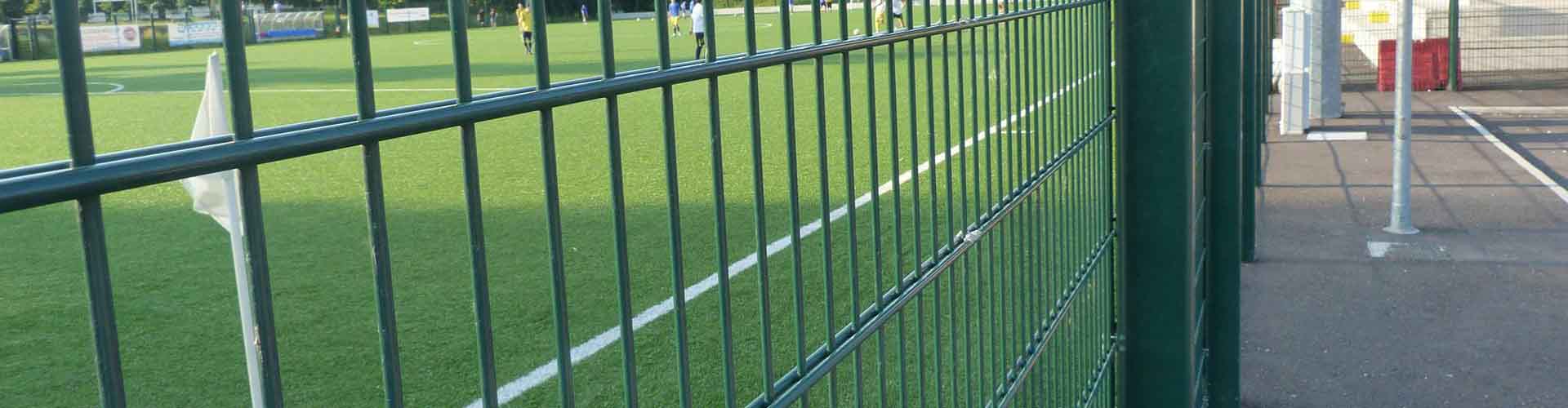
Welded mesh fences play an important role in the protection of historical landmarks and heritage. They provide a physical barrier to protect valuable cultural heritage from damage or theft. These fences can surround historic buildings, archaeological sites or other sites of cultural value, restricting access and preventing access by unauthorized persons. By protecting the integrity of these sites, welded mesh fences help preserve and perpetuate historical heritage.
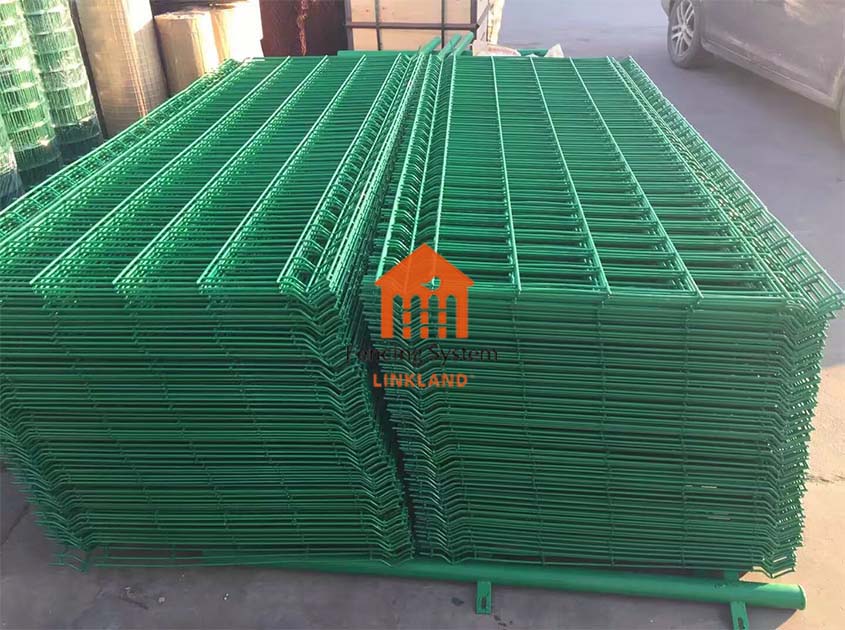
When designing a welded mesh fence, aesthetic integration is crucial. These fences need to be in harmony with the context of historical landmarks and properties without destroying the original beauty and historic atmosphere. Welded mesh fences can come in a variety of materials and design styles to ensure they blend in with their surroundings. For example, materials can be chosen that are similar to those of historic buildings, or the appearance of a fence can be designed to match traditional local architectural styles, thus maintaining the original character of historic landmarks and properties.
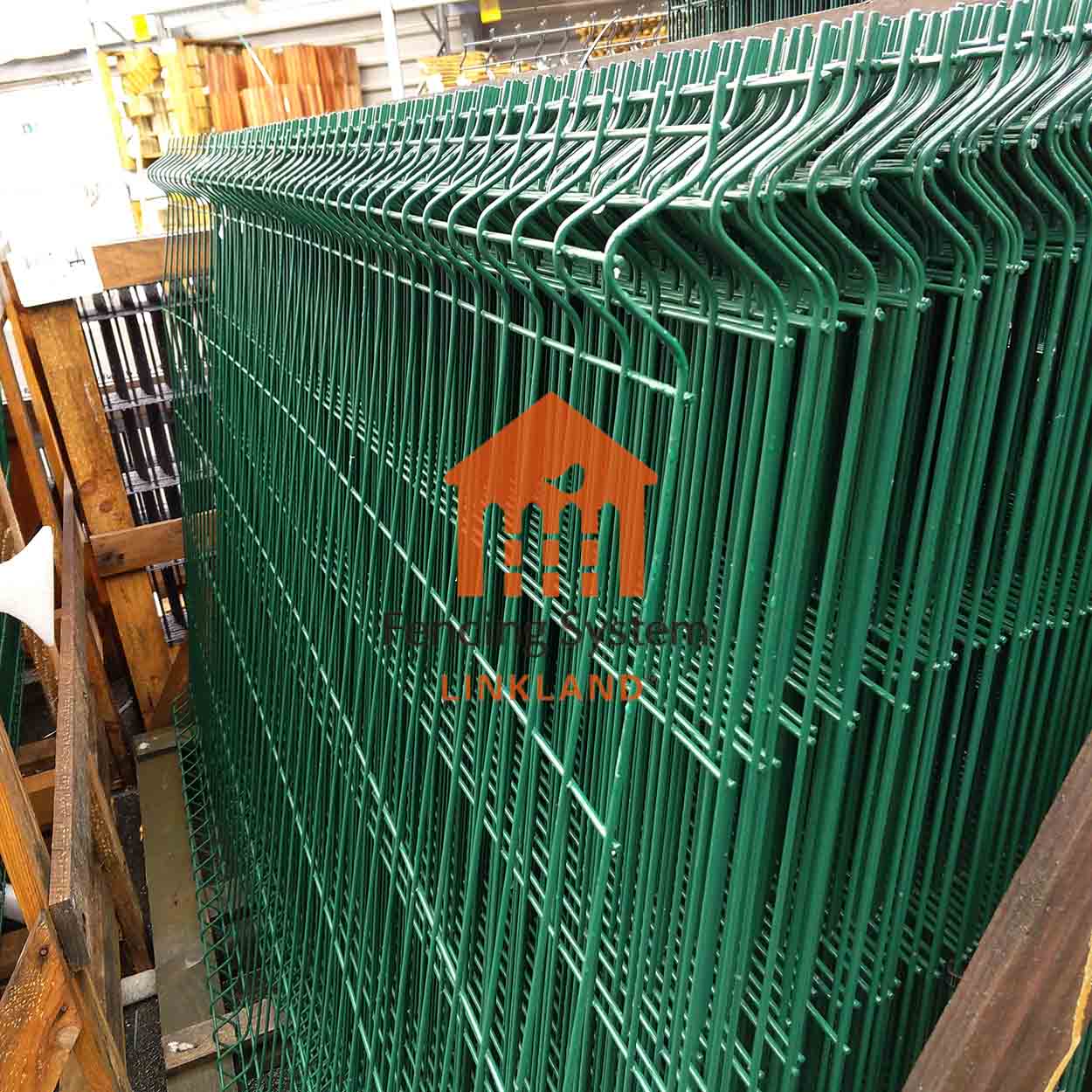
Welded mesh fences should also be designed with visibility and interactivity in mind. For historical landmarks and heritage, enabling visitors to view and interact is an important experience. When designing fences, transparent or perforated welded mesh can be used to maintain unobstructed views of the historic property for visitors and encourage them to interact with the property. Such designs can enhance visitor engagement and promote understanding and appreciation of historical landmarks and heritage.
Welded mesh fence design should take into account its adjustability and maintainability. For historic landmarks and properties, fencing may need to be adapted to suit different conservation needs or activities. Welded mesh fence should be flexible so that it can be dismantled, rearranged or resized as needed. In addition, fence maintenance is also important and materials should be chosen that are durable and easy to maintain to ensure that they remain in good condition over the long term.
How to Choose Farm Fence for Cattle and Horses: Wire, Height and Design Guide
Pulished on Sep. 23, 2026
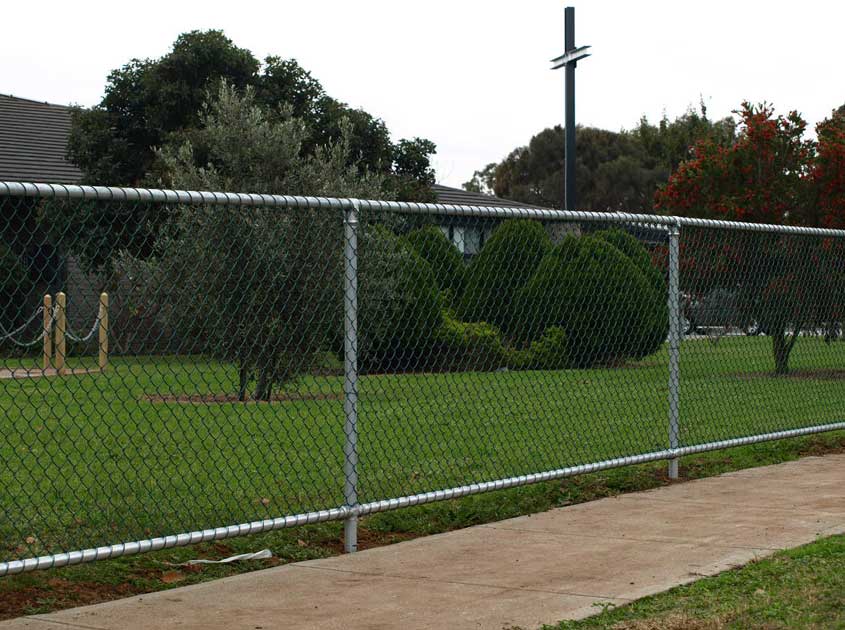
How Is Chain Link Fence Made? Manufacturing Process and Components
Pulished on Sep. 18, 2026
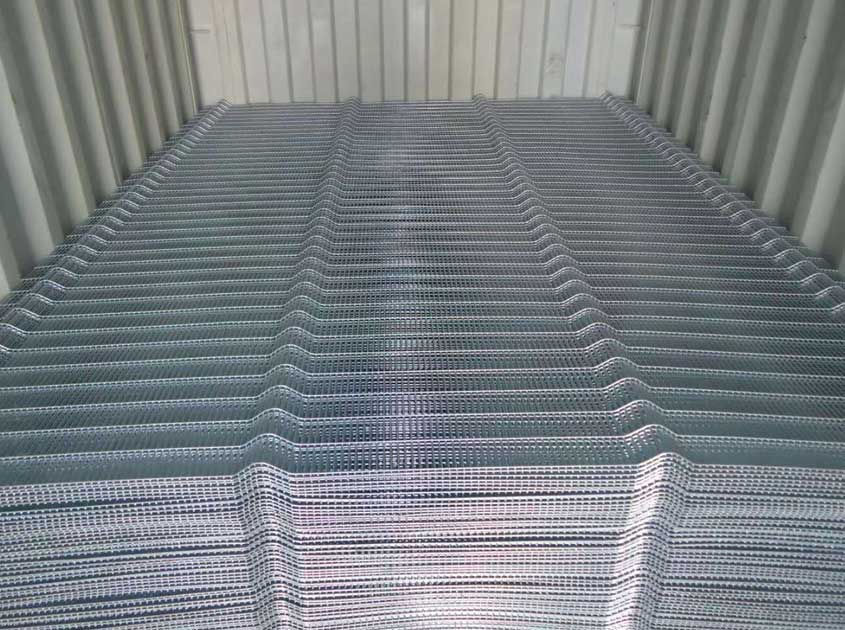
358 Security Fence vs Chain Link Fence: Security, Cost and Application Comparison
Pulished on Sep. 15, 2026
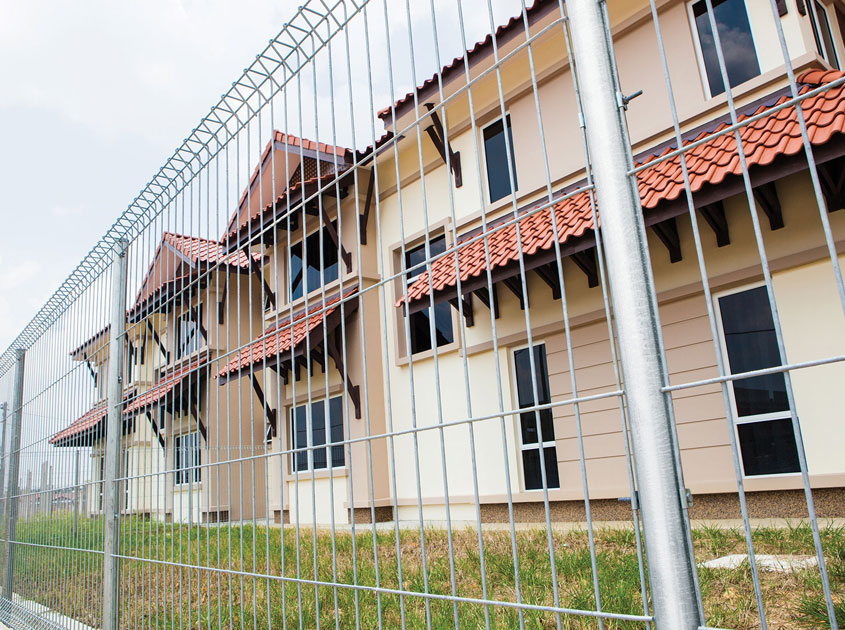
Why Choose Welded Wire Fence for Security and Protection?
Pulished on Sep. 07, 2026
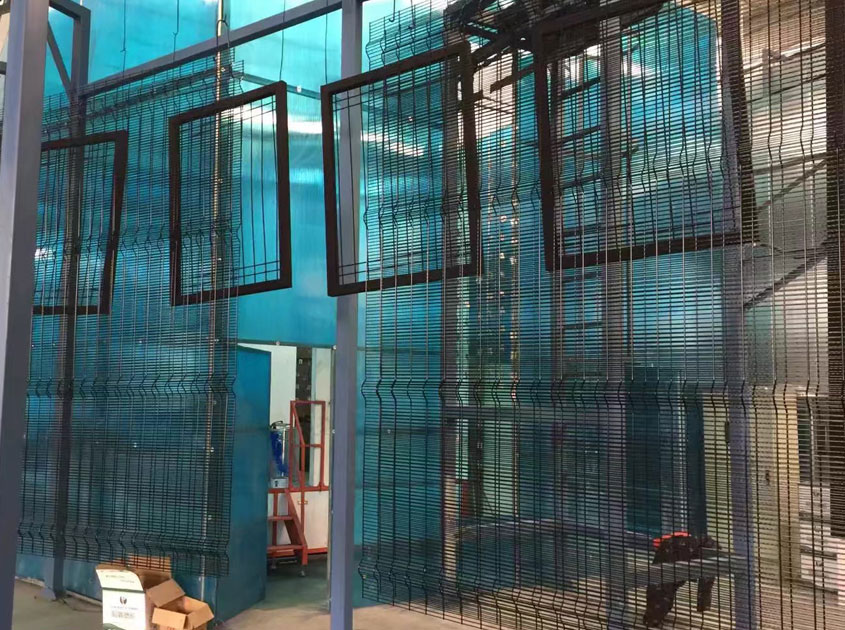
358 Security Fence Specifications and Applications Guide
Pulished on Aug. 27, 2026
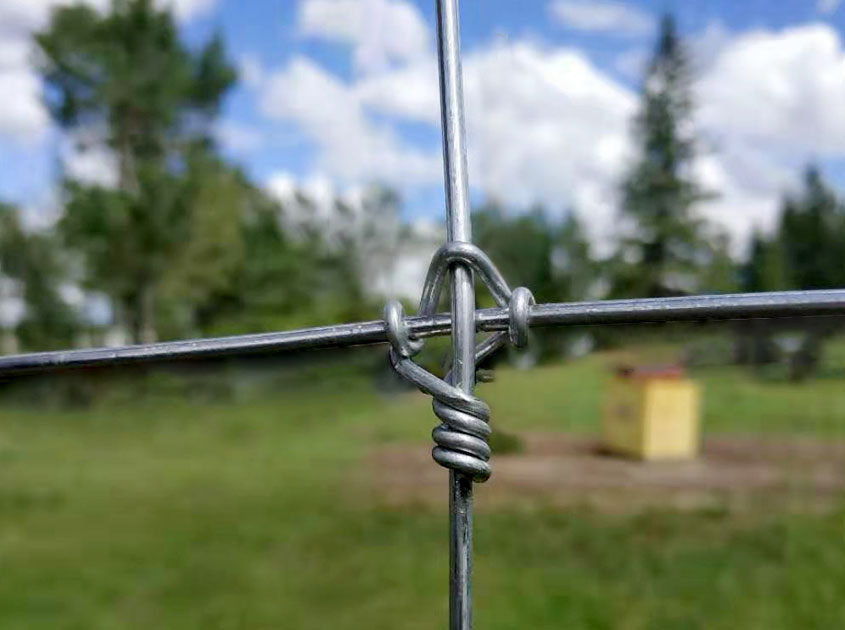
What Is Farm Fence and What Are the Main Types?
Pulished on Aug. 26, 2026
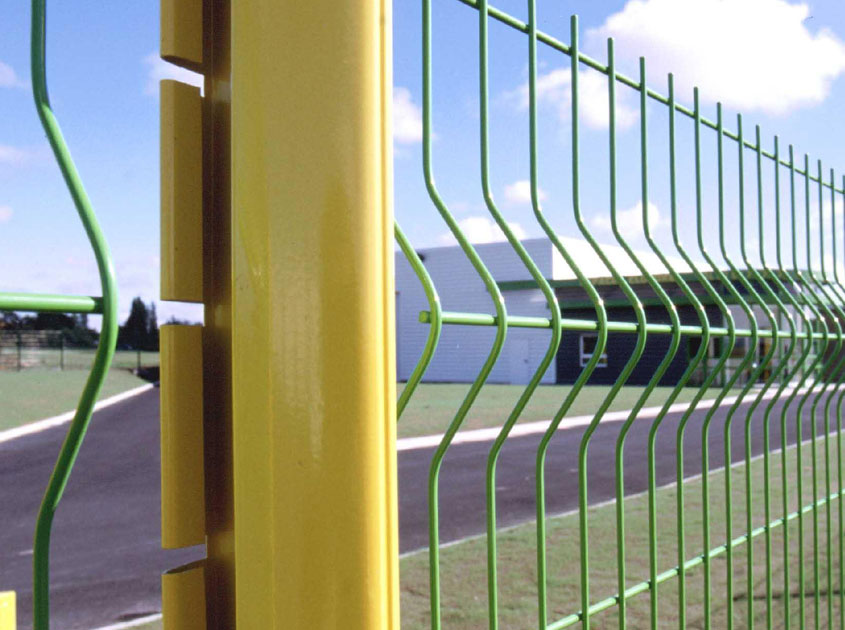
Welded Wire Fence Types, Sizes and Applications Guide
Pulished on Aug. 20, 2026
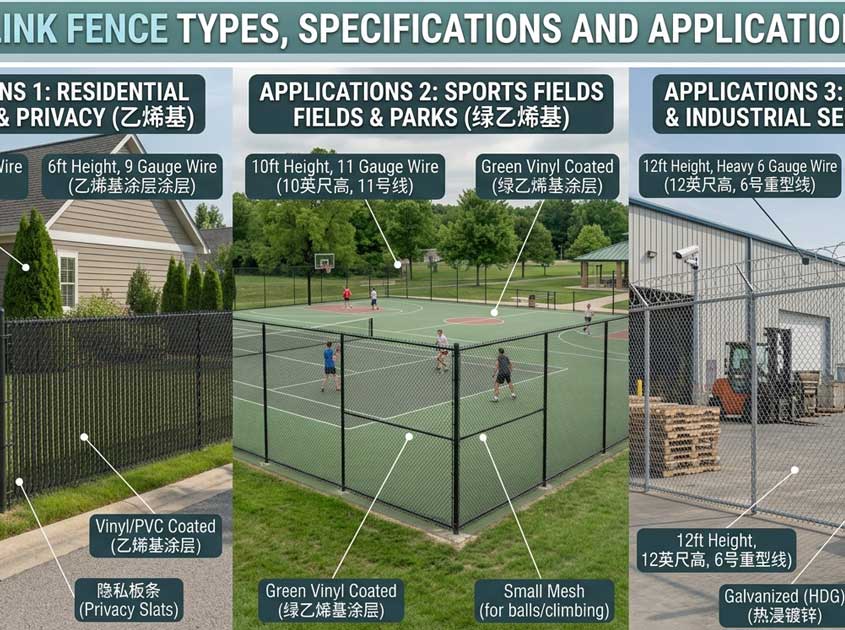
Chain Link Fence Types, Specifications and Applications Guide
Pulished on Aug. 12, 2026
How to Choose Farm Fence for Cattle and Horses: Wire, Height and Design Guide
Pulished on Sep. 23, 2026
How Is Chain Link Fence Made? Manufacturing Process and Components
Pulished on Sep. 18, 2026
358 Security Fence vs Chain Link Fence: Security, Cost and Application Comparison
Pulished on Sep. 15, 2026
Why Choose Welded Wire Fence for Security and Protection?
Pulished on Sep. 07, 2026
358 Security Fence Specifications and Applications Guide
Pulished on Aug. 27, 2026
What Is Farm Fence and What Are the Main Types?
Pulished on Aug. 26, 2026
Welded Wire Fence Types, Sizes and Applications Guide
Pulished on Aug. 20, 2026
Chain Link Fence Types, Specifications and Applications Guide
Pulished on Aug. 12, 2026